
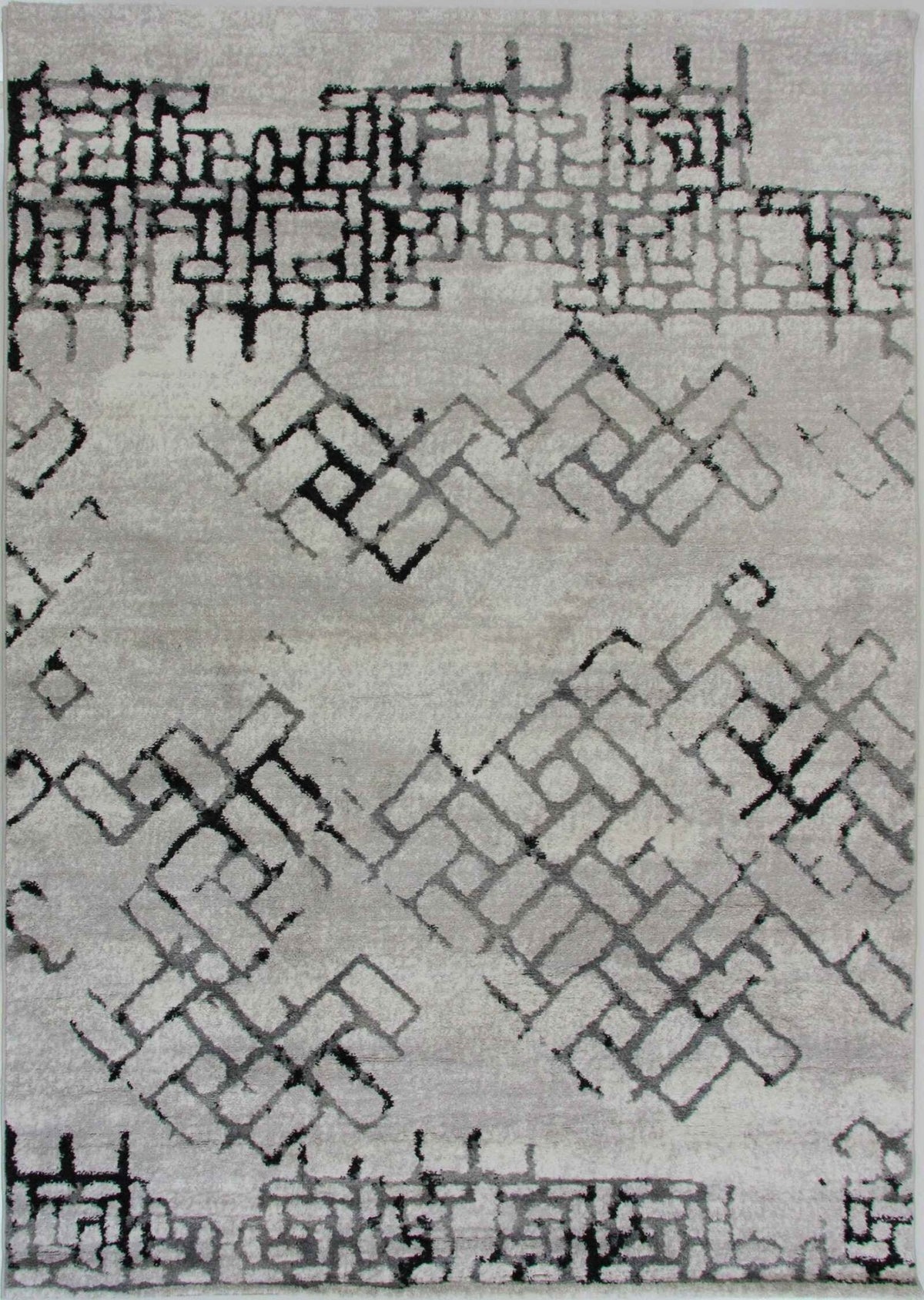
Is your new modern rug shedding fluff everywhere? Here's why it happens, how long it lasts, and which modern rugs barely shed at all.

It's one of the most common complaints people post online after buying a new rug: "I've vacuumed it five times and there's still fluff everywhere. Is this normal, or did I buy a dud?" Usually it's followed by a second question: "Next time, which modern rugs don't shed?" Both are fair questions. Shedding can be anything from a short, harmless settling-in period to a sign the rug simply isn't built to last. Here's how to tell the difference, how to manage it, and what to look for when you're choosing modern rugs so you aren't picking fibres off the couch for months.
Why new modern rugs shed in the first place
Most shedding comes from loose fibre ends left over from manufacturing. When a rug is made, yarn is cut, sheared and trimmed to give an even surface, and short fragments get trapped in the pile. Foot traffic and vacuuming slowly work them loose, which is why a new rug can look like it's "losing" fibre even though the rug itself is fine.
How much a rug sheds depends mostly on three things:
- Fibre type. Wool and wool blends naturally shed more early on because wool is made of short staple fibres. Synthetic fibres such as polypropylene and polyester are usually extruded as long continuous filaments, so there are far fewer loose ends to escape.
- Construction. Hand-tufted rugs are made by punching yarn through a backing and gluing it in place, and they're well known for shedding, sometimes for a long time. Machine-made (woven) rugs lock the yarn into the structure, so they tend to shed much less.
- Pile height. Shaggy and high-pile rugs have more fibre to lose and more places for fluff to hide. Low-pile and flatweave modern rugs shed less and show it less.
How long is "normal" shedding?
For most machine-made modern rugs, noticeable shedding settles down within a few weeks of regular use. Wool rugs can take a few months, depending on how much traffic they get. A useful rule of thumb: the amount should drop steadily. If you're collecting roughly the same volume of fluff in month three as you did in week one, that's worth a closer look.
Signs that it's more than just settling in:
- You can see bald or thin patches forming in walkways.
- Whole tufts (not just loose fluff) are coming out, especially on hand-tufted rugs.
- The backing is visible when you part the pile in high-traffic areas.
- Pulling gently on a tuft lifts it straight out.
Any of those suggests a construction or quality issue rather than normal shedding, and it's worth talking to the retailer while the rug is still new.
How to reduce shedding without damaging the rug
The instinct is to attack the fluff with the strongest vacuum you own. That often makes it worse. A few gentler habits work better:
- Vacuum regularly, but lightly. Two or three passes a week with suction only is plenty while the rug settles. Turn off the beater bar or rotating brush, or use a hard-floor head, as aggressive brushes pull fibres loose and can fuzz the surface.
- Never pull loose strands. If a long thread pokes above the pile, trim it level with scissors. Pulling it can unravel a row, particularly on tufted rugs.
- Use a rug pad. A good underlay reduces friction between the rug and the floor, which means less fibre breakdown from the underside and less movement under foot.
- Rotate the rug every few months. This spreads wear evenly so one walkway doesn't take all the punishment.
- Brush by hand on shaggy rugs. For plush or shag styles, a wide-tooth rug rake or firm brush lifts loose fluff without tearing at the base of the pile.
Choosing modern rugs that barely shed
If you've been through a shedding saga before, or you have allergies, pets or a dark floor that shows every fleck, it's worth shopping with shedding in mind from the start. Look for:
- Machine-made construction. It's the single biggest factor. Woven modern rugs hold their yarn far more securely than tufted ones.
- Polypropylene or polyester fibres. These continuous-filament synthetics shed very little, are colourfast, and are easy to clean, which makes them a practical choice for living rooms, kids' spaces and hallways.
- Low to medium pile. A low-pile modern rug gives a crisp, contemporary look, sits flat under furniture and has far less loose fibre to lose.
- "Non-shedding" on the label. Some rugs, like our Roma R7632A White/Black Modern Rug, are specifically made with heat-set polyester yarns and described as non-shedding. That's a good sign the manufacturer has dealt with the problem at the yarn stage.
Does that mean you should avoid soft, plush rugs entirely? Not at all. Some people love the feel of a shaggy rug underfoot in a bedroom or lounge. Just go in expecting a little more maintenance at the start. A dense machine-made shag, such as the Puffy Style P301A Grey/Beige Modern Shaggy Rug, will generally settle faster than a loosely tufted one because the pile is packed tightly.
A quick in-store shedding test
One advantage of seeing modern rugs in person is that you can test them before you commit. Try this:
- Rub the pile firmly with your palm for ten seconds, then look at your hand. A little lint is fine; a handful of fluff is a warning sign.
- Flip a corner over. A woven rug shows the pattern clearly on the back. A tufted rug usually has a canvas or glued backing covering it.
- Pinch and lift a single tuft. It should feel anchored, not loose.
- Ask about the fibre and construction. A good retailer will tell you straight away whether a rug is machine-made, what it's made from, and how it's likely to behave in the first few weeks.
Find a low-shed modern rug in Dandenong
If you're after a modern rug that looks sharp and won't leave fluff all over the floor, it helps to see and feel the options side by side. At Quality Rugs and Furniture in Dandenong we carry a wide range of machine-made modern rugs, from crisp low-pile designs to soft shaggy styles, in sizes for every room. Pop into the showroom to run the rub test yourself, or browse our modern rugs online and ask the team about fibre and shedding before you buy. We're happy to help you find one that suits how your household actually lives.